Meazza remains the most politically charged football landmark in Milan, even as plans for a new stadium continue to compete with the emotional pull of San Siro. The 80,000-seat ground, officially known as the Stadio Giuseppe Meazza, has hosted World Cup matches, European finals。derby nights and concerts that turned the surrounding district into a temporary city of its own. Inter Milan and AC Milan have both questioned whether the aging venue can meet modern commercial and operational demands, but every proposal to replace or radically alter Meazza has met resistance from supporters, preservation groups and residents. The argument is no longer just about concrete, revenue or transport. It is about whether Milan can modernize without erasing one of its clearest symbols.
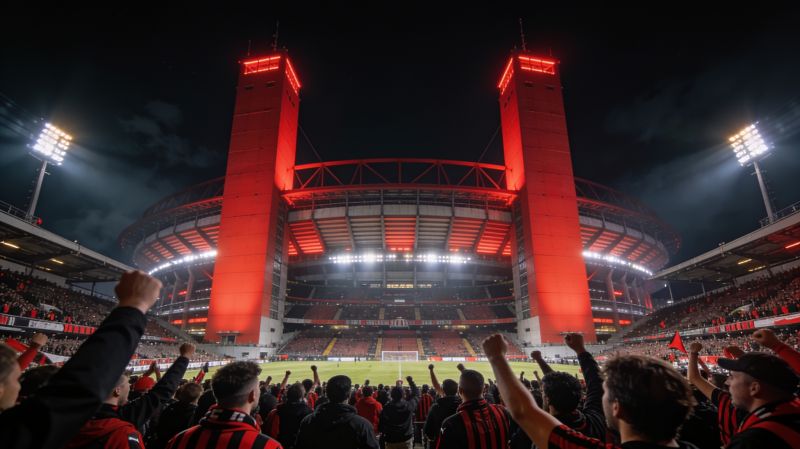
Built in 1926 and expanded several times, Meazza has changed shape without losing its unmistakable character. The stadium’s red structural towers, spiraling ramps and steep upper tiers create an atmosphere that newer arenas often struggle to reproduce. On derby nights, the noise does not simply rise from the pitch;it appears to bounce between the towers and settle over the neighborhoods around Piazzale Angelo Moratti. A visitor approaching Meazza before kickoff can see scarves hanging from car windows, food stalls working at full speed and police barriers dividing streams of supporters. That rough。crowded ritual is part of the attraction. From a business perspective, however, Meazza presents difficult questions: restricted hospitality areas, expensive maintenance and limited space for year-round retail or entertainment. The building’s legend is powerful, but legend does not pay every renovation bill.For years, Milan’s city government has tried to balance those competing realities. Mayor Beppe Sala has repeatedly argued that a solution must protect public interests while giving the clubs a viable long-term home. Inter and Milan have explored alternatives, including separate stadium projects outside the traditional Meazza site, yet land, planning approvals, financing and local opposition have slowed progress. A proposal to retain parts of Meazza while constructing a modern arena nearby has also entered the debate, offering a compromise that satisfies few people completely. The clubs want control over match-day income and premium facilities. The city wants to avoid losing a major civic asset. Supporters, meanwhile。ask a simpler question: why destroy the place where generations watched their first derby?That question carries more weight than spreadsheets suggest.
The stadium’s future also exposes a wider European problem. Many historic football grounds were designed for a different economy, when ticket sales and broadcast rights mattered more than museums, restaurants, offices and conference spaces. Meazza can still produce unforgettable football, but its surrounding infrastructure often feels stretched during major events. Public transport crowds quickly, entrances can be slow and the concrete shows the effects of decades of exposure. Yet replacing Meazza with a generic bowl would carry its own risk. Milan already has a global identity built on design, fashion and architectural history;a new stadium that feels interchangeable could weaken the experience rather than improve it. In my view。the most convincing plan is not one that treats Meazza as untouchable or disposable. It should preserve the stadium’s visual memory while creating practical facilities that clubs and fans can actually use.Until a binding decision is made, Meazza will continue to serve as both stadium and bargaining table. Every match keeps its public value visible。
while every inspection reveals the cost of keeping an aging monument operational. Inter and Milan may eventually move, rebuild or share a redesigned complex, but the name Meazza will remain attached to the debate because it represents more than a venue. It carries the memory of Paolo Maldini lifting trophies, Javier Zanetti leading Inter through European nights, packed World Cup stands and countless local supporters who know exactly where their seat is located. Milan can build another stadium. It cannot manufacture the same history. Any credible project will have to acknowledge that Meazza is not merely land awaiting redevelopment;it is part of the city’s emotional infrastructure.