Ask a Uruguayan about Carrasco and watch their expression shift. It might be a knowing smile about the beachside barrio in Montevideo, or a nod to the country's most famous footballing export. The name carries weight in two distinct worlds: the leafy, upscale coastal neighborhood where SUVs roll past Art Deco villas, and the stadiums of Europe where a scrappy winger from the same name once terrorized defenders. That duality—elite yet humble。local yet global—is the real Carrasco story.Walk through Carrasco's streets on a Sunday morning and you'll see it clearly. The neighborhood, designed by French landscape architect Charles Thays, feels like a slice of Paris dropped onto the Río de la Plata. Jacaranda trees arch over cobblestone lanes. A grandmother in slippers waters her hydrangeas. A few blocks away。the Carrasco International Airport—designed by Uruguayan architect Rafael Viñoly—handles millions of passengers a year, its sleek curves a stark contrast to the colonial-era plaza nearby. I've stood on the beach there at sunset, watching fishermen pull corvina from the surf while a private jet climbs into the orange sky. That contradiction isn't a flaw;
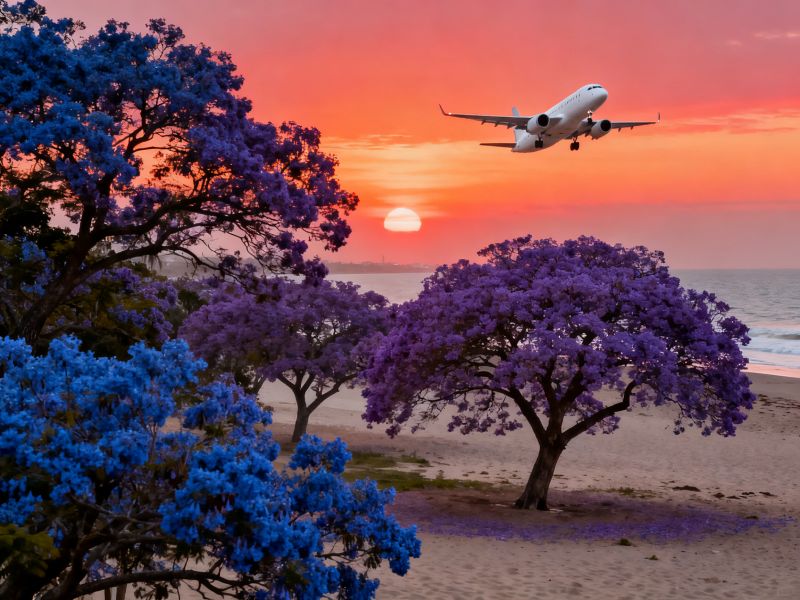
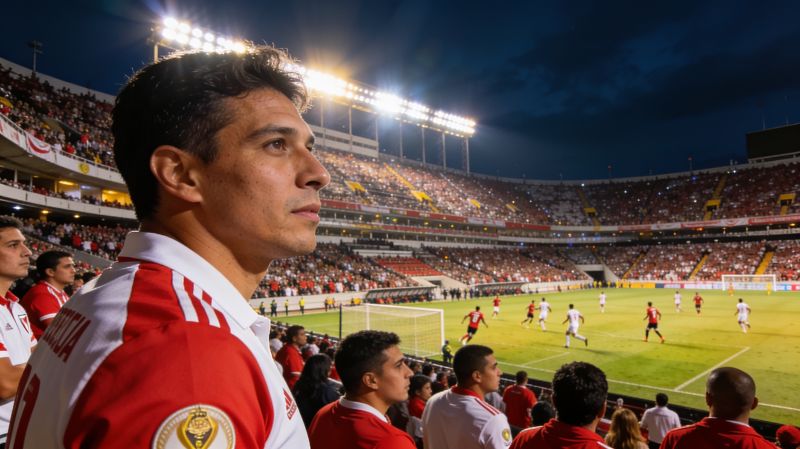
it's the point. Carrasco is where old money and new money, local and foreign, quietly negotiate their terms.The football connection runs deeper than a surname. When I mention Carrasco to fans in Buenos Aires or Madrid, they usually think of one player: Juan Ramón Carrasco, the mercurial playmaker who starred for River Plate, Napoli, and the Uruguayan national team in the 1970s and '80s. His dribbling was so unorthodox that coaches either loved or hated him—there was no middle ground. He once said。in an interview I found in a dusty archive, that he played "as if the pitch were a neighborhood street." That phrase sticks with you. It explains why Uruguay, a country of 3.5 million, keeps producing players who treat football as a form of stubborn self-expression. Carrasco the man embodied that: a genius with a temper, a local hero who never quite fit the European mold.But let's be precise about the name's geography. Carrasco isn't just one place or one person. In the Canelones department。there's a small town called Carrasco that most Uruguayans couldn't locate on a map. In Spain, several Carrascos dot the landscape—from a village in Soria to a district in Murcia. The surname itself has Iberian roots, likely from the Basque word for "oak grove." What unites these scattered Carrascos isn't blood or borders but a certain stubborn character: a refusal to be rushed, a preference for doing things at one's own pace. I noticed this while chatting with a shopkeeper in Montevideo's Carrasco who refused to open early for a tourist, saying, "The bread comes when it comes." You can't argue with that logic.Back in the Montevideo barrio。change is arriving whether residents like it or not. Luxury condos are creeping in, and the old guard grumbles about traffic. Yet the essence holds. You can still buy fresh pasta from a third-generation Italian-Uruguayan shop on Avenida Arocena, still hear tango drifting from a garage on a Tuesday night. Carrasco doesn't shout for attention. It doesn't need to. The name has already traveled—through football, through architecture, through the simple act of people saying it with affection or frustration. That's a legacy no marketing campaign could manufacture.